Sewer Backup Oakville: Causes, Warning Signs and What to Do
Oakville Emergency Plumbing GuideA sewer backup Oakville homeowners deal with can go from a minor gurgle to a flooded basement in under an hour, which is exactly why recognizing the early signs matters so much. Unlike most plumbing problems, a sewer backup isn’t just inconvenient — it brings contaminated water into your home, which makes both the response and the cleanup different from a regular leak.
This guide covers what actually causes sewer backups in Oakville, the warning signs to watch for before it becomes a full emergency, exactly what to do (and not do) if one happens, and how to prevent it from happening again.
A sewer backup Oakville homes experience is usually caused by a blocked main sewer line, tree root intrusion, a collapsed or cracked pipe, or a municipal system overwhelmed during heavy rain. Warning signs include multiple drains backing up together, gurgling toilets, and a sewage smell. If it happens, stop using all water immediately, avoid contact with the water, and call a licensed plumber right away.
Key Takeaways
- Multiple drains backing up at the same time almost always points to the main sewer line, not a single fixture.
- Tree root intrusion is one of the most common causes in older Oakville neighbourhoods with mature trees.
- Sewage water is contaminated and should never be touched directly without proper protective equipment.
- A backwater valve is the single most effective way to prevent sewage from backing up into your home.
- Acting within minutes of the first warning sign can mean the difference between a quick fix and a flooded basement.
- What a Sewer Backup Means for Oakville Homeowners
- Common Warning Signs of a Sewer Backup
- What Causes Sewer Backups in Oakville Homes
- What to Do Immediately During a Sewer Backup
- What Not to Do During a Sewer Backup
- How Professionals Diagnose and Fix a Sewer Backup
- Cost Factors for Sewer Backup Repair in Oakville
- How to Prevent Sewer Backups From Happening Again
- Areas We Serve Near Oakville
- Frequently Asked Questions
What a Sewer Backup Means for Oakville Homeowners
A sewer backup happens when wastewater that should be flowing away from your home through the main sewer line instead gets forced back toward it, usually exiting through the lowest drain in the house — most often a basement floor drain or a basement bathroom. This is different from a typical clogged drain, where the blockage sits inside your own plumbing and affects one fixture. A sewer backup involves the main line itself, which means every fixture connected to it can be affected at once.
The reason this matters so much is the water involved. A clogged sink overflows with relatively clean water. A sewer backup brings wastewater that’s been carrying everything flushed and drained from your entire home, plus whatever’s backing up from the municipal system. That difference changes both the urgency of the response and how the cleanup needs to be handled afterward.
Common Warning Signs of a Sewer Backup
Most sewer backups give some warning before they become a full emergency. Catching these early can mean calling a plumber for an inspection instead of dealing with an actual flood.
- Multiple drains — not just one — draining slowly or gurgling at the same time
- Water or waste rising in a basement floor drain when you run another fixture, like a washing machine
- A toilet that bubbles or the water level rises when you run the shower or another drain
- A persistent sewage smell in the basement or near floor drains, even when nothing visible is wrong
- Unusually slow drainage across the whole house rather than just one sink or tub
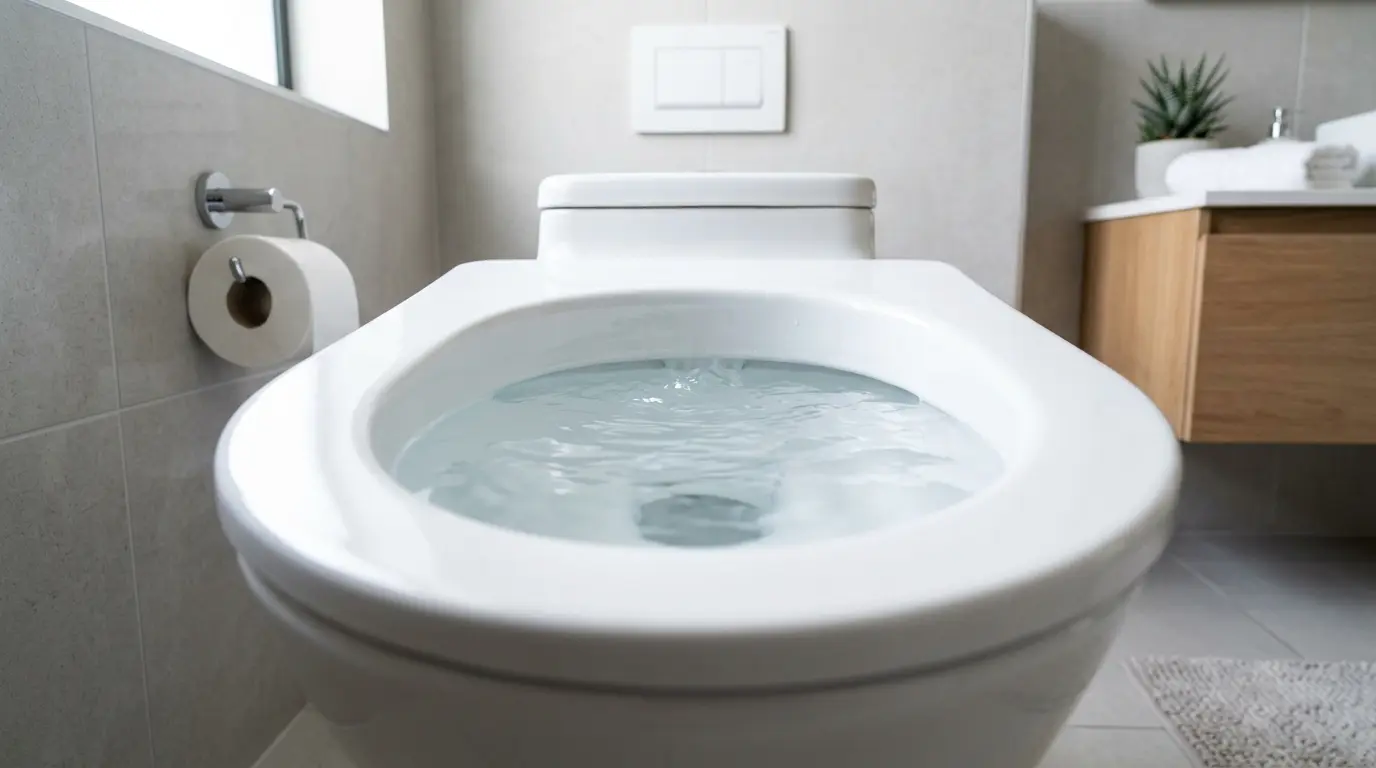
🚨 If more than one drain is affected at the same time, treat it as a main line issue immediately — stop using water in the home and call a licensed plumber before it progresses further.
What Causes Sewer Backups in Oakville Homes
Most sewer backups we see across Oakville trace back to one of these causes:
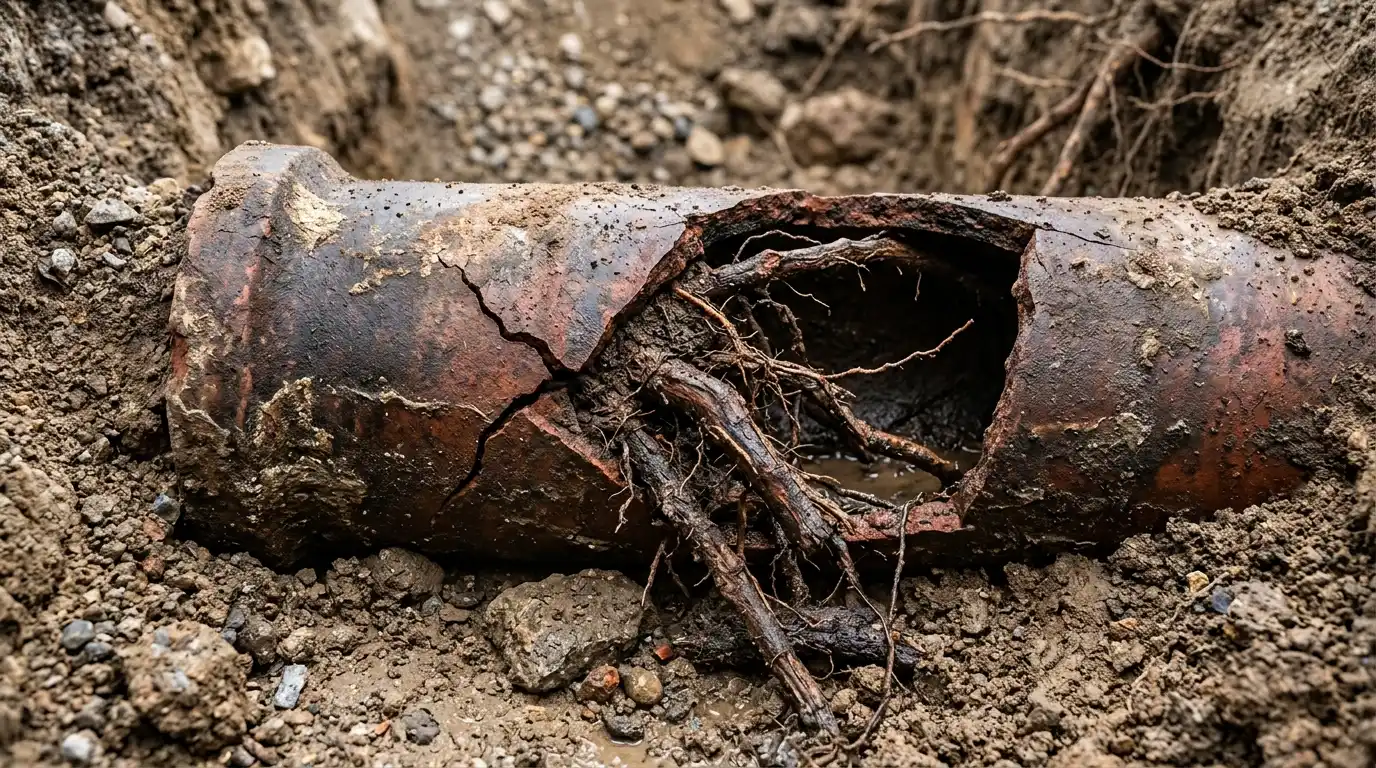
- Tree root intrusion — in older Oakville neighbourhoods with mature trees, roots can grow into small cracks in clay or aging sewer lines, gradually restricting flow until a backup occurs
- A blocked main sewer line — grease, wipes, and debris that build up over years can eventually block the line completely, not just slow it down
- A collapsed or cracked pipe — common in homes with original clay or cast iron sewer lines, where age and ground shifting eventually take a toll
- Municipal system overload during heavy rain — in some older parts of Oakville, stormwater and sewage share infrastructure, and a major storm can overwhelm the system enough to push water back toward homes
- No backwater valve installed — without one, there’s nothing stopping municipal sewage from flowing backward into your home’s plumbing during a surge
What to Do Immediately During a Sewer Backup
What Not to Do During a Sewer Backup
- Don’t touch or wade through sewage water without proper protective gear
- Don’t try to snake or clear the main sewer line yourself — this requires professional equipment and carries real contamination risk
- Don’t run any additional water through the system, even to “test” whether it’s still backing up
- Don’t ignore a single warning sign assuming it will resolve on its own — sewer backups rarely improve without intervention
- Don’t use a household drain cleaner on a suspected main line backup — it won’t reach the actual blockage and adds an extra hazard
📞 Need help today? Call +1 365 808 5310 or request a free plumbing estimate. For active backups, our emergency repairs team responds 24/7.
How Professionals Diagnose and Fix a Sewer Backup
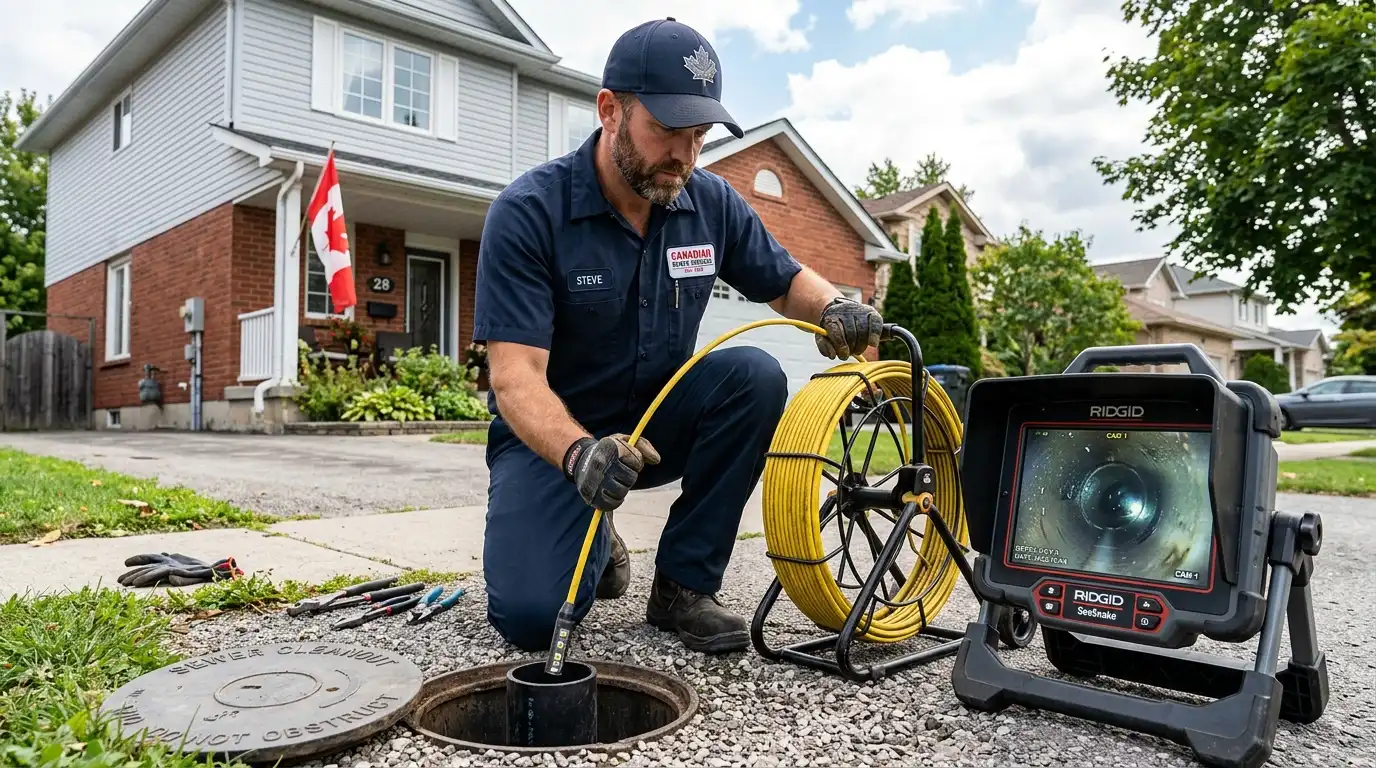
A licensed plumber approaches a sewer backup methodically, since guessing wrong on a main line issue wastes time during an active emergency:
- Running a camera inspection through the main line to locate the exact blockage, root intrusion, or pipe damage
- Using a sewer-rated drain snake or hydro jetting equipment to clear blockages once the cause is confirmed
- Checking whether the issue sits on your property’s line or further out toward the municipal connection
- Assessing whether a backwater valve installation would prevent the same issue from recurring
This is also where the line between plumbing work and water damage restoration sometimes splits. A plumber clears the line and confirms your plumbing is functioning safely again; if sewage has entered a finished basement or living space, a separate water damage restoration service typically handles the contaminated water cleanup and any affected materials like drywall or carpet.
Cost Factors for Sewer Backup Repair in Oakville
| Cause | Typical Fix | Relative Cost |
|---|---|---|
| Simple blockage (grease, debris) | Drain snaking or hydro jetting | Lower |
| Tree root intrusion | Root cutting and line clearing | Moderate |
| Cracked or collapsed pipe section | Pipe repair or relining | Higher, depending on length and access |
| No backwater valve installed | Backwater valve installation | Moderate, one-time preventive cost |
| Sewage cleanup in living space | Water damage restoration (separate service) | Varies by extent of contamination |
For a broader sense of how plumbing repair pricing generally breaks down in Oakville, our guide to plumbing costs in Oakville covers the factors that affect pricing across different repair types. A licensed plumber can give you an accurate quote once a camera inspection confirms the actual cause.
How to Prevent Sewer Backups From Happening Again
- Install a backwater valve, which physically blocks sewage from flowing backward into your home during a municipal surge
- Avoid flushing wipes, paper towel, or grease, which contribute to blockages over time
- Have your main sewer line inspected periodically if your home has original clay or cast iron piping
- Address slow drains or recurring small clogs early, since they can be an early sign of a developing main line issue
- Keep mature trees on your property monitored if they’re growing near your home’s sewer line path
💡 The Single Best Prevention Step: A backwater valve is the most effective long-term protection against sewer backups, especially in older Oakville neighbourhoods where combined stormwater and sewage systems exist. Our backwater valve installation guide covers how it works and what installation involves.
If recurring slow drains were part of what led to this situation, our professional drain cleaning in Oakville service addresses buildup before it becomes a bigger blockage, and our guide on the signs your drain needs cleaning in Oakville covers the early warning signs in more detail.
Areas We Serve Near Oakville
Oakville Plumbing Pro provides residential and commercial plumbing support across Oakville and the surrounding area, including Burlington, Mississauga, Glen Abbey, Bronte, Joshua Creek, Clearview, and Downtown Oakville, with 24/7 availability for sewer backup emergencies. You can see our full range of plumbing services if you’re dealing with a related drainage concern.
Frequently Asked Questions
What’s the first sign of a sewer backup Oakville homeowners should watch for?
Multiple drains gurgling or draining slowly at the same time is usually the earliest clear sign, often before any visible water actually appears. A single slow drain is less concerning than several acting up together.
Is sewer backup water dangerous to be around?
Yes. It carries bacteria and other contaminants from wastewater, so direct contact should be avoided without proper protective equipment. Keep people and pets away from the affected area until it’s been professionally cleared and cleaned.
Can tree roots really cause a sewer backup in Oakville?
Yes, especially in older neighbourhoods with mature trees and clay or cast iron sewer lines. Roots grow into small cracks seeking moisture and gradually restrict flow until a backup occurs, sometimes years after the roots first reach the pipe.
How much does sewer backup repair cost in Oakville?
It depends heavily on the cause. Clearing a simple blockage costs far less than repairing a cracked pipe section or relining a damaged line. A camera inspection confirms the cause first, and a licensed plumber can then give an accurate quote.
Is a sewer backup considered an emergency?
Yes, treat it as one. Sewage backing up into a home risks property damage and a genuine health hazard, and the situation typically worsens the longer water keeps trying to find somewhere to go.
Will a backwater valve really prevent a sewer backup?
A properly installed backwater valve is highly effective at stopping sewage from flowing backward into your home during a municipal system surge. It won’t fix an existing blockage or root intrusion already inside your own line, but it does address the most common trigger during heavy storms.
Should I call my insurance company or a plumber first?
Call the plumber first if water is actively rising, since stopping the situation matters more in the moment than paperwork. Document the damage with photos once it’s safe, then contact your insurance provider to start a claim.
Can I clear a sewer backup myself with a household plunger or drain cleaner?
No. A main sewer line backup sits well beyond what a plunger or chemical drain cleaner can reach, and attempting it yourself risks exposure to contaminated water without actually resolving the underlying blockage. This is a job for professional equipment.
Dealing With a Sewer Backup Right Now?
24/7 Emergency Response · Camera Inspection Available · Licensed & Insured
📞 Call (365) 808-5310